Showing posts with label Image bank. Show all posts

Sunday, 7 December 2014

Multiple Imagery Image Bank


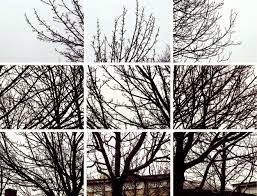
Both of these images use multiple imagery to create a disjointed representation of an object. Different images and angles are used in order to create different patterns while showing more of the subject that could be seen in a standard image.


Multiple imagery is an interesting style of presenting photographs. The process of multiple imagery features taking multiple pictures of the same object or scenery and putting them all together. This process allows the subject or scene within the image to be perceived in a way that it would not commonly be seen. The image can show different angles of the object at different distances or sixes in order to produce a number of varying results.

Thursday, 4 December 2014

Back of Head Image Bank


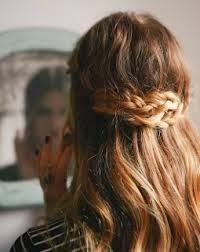
Both of these images use back of head portraiture in a way that provides context to the image. The location is paired with the colours used within the image. This allows audiences to comprehend the tone of the image and understand some of the context of the image.


Back of heads are used in photography to offer some interesting ways of composing images. They can be used to highlight backdrops and also uses formal elements to produce extremely interesting results. Reflection is the most interesting technique as it allows you to see all aspects of the face.

Thursday, 27 November 2014

Robert Mapplethorpe Portraits Image Bank


Both of these images use different formal elements in the form of a portrait. The black and white filter highlights the contrasts within the image and causes the audience to only focus on the person within the image. Light and shadow is used in order to highlight the detail of the person within the image, revealing facial features and wrinkles.


Robert Mapplethorpe uses different and interesting methods in his portraits. He positions his subject in a number of ways within the frame in order to produce interesting results. His close-ups of the face are used to show great detail in the faces of his subjects and he uses them to change the mood of the images. Props and clothing can be used to reflect different aspects of the subject, for example a cane will make a subject appear more powerful, while the use of casual clothing will make the subject appear more youthful.

Wednesday, 5 November 2014

Image Bank Contrast


These two images use contrast to create a more visually striking image. Both of the images use a black and white filter in order to highlight the black and white contrasts of the image. The result of this causes the person or object within the image to stand out to the audience.


In these pictures it is clear that contrast can be shown through different forms. Contrast in colours can be expressed physically or through alterations to the images. Coloured images tend to to have a variation in the vibrance of colours while black and white images use shadows and dark colours to enhance the subject of the image. Variation can also be seen through people and environments. Pictures above can be seen with a contrast of people in different clothing, and in patterns in contrast to a smooth surface. All of these methods can be used to highlight differences and can also be used to exaggerate the subject of a photo by getting the audience to focus on one aspect of the image.

Wednesday, 22 October 2014

Portraiture, Image Bank


Both of these images show interesting examples of portraiture. The images use the focus of the camera in different ways but ultimately achieve the same result as it causes the audience's eyes to focus only on the person within the  image.


Portraiture is an interesting topic, it allows us to convey emotion and life all in one picture. Portraiture can be used in many ways to keep the subject interesting to audiences. From the images above we can see how light, tone, reflection and depth can be used to alter our perception of the subject. I would like to incorporate some of these techniques into my own work if given the chance, I would like to use black and white filters and mirrors to convey tone and reflection in my work in order to attain audience attention.
Tuesday, 14 October 2014

Photojoiner, Image bank


Both of these images use photo joiner in order to create a larger image. The benefits of taking a picture of using photo joiner is that you can have more detail within the environment and combine them to make one clear image.


Photojoiner is a very interesting way of manipulating a scene or a subject in an image. Photojoiner is a collection of pictures that form to create a larger picture. In these examples, we can see how some of the images have been altered in a ways that can show formal elements such as movement and tine. We are shown this by having a subject being presented to us in different angles and depths. The image can also be presented to show interesting scenery by changing the backgrounds slightly and also using it to take some panoramic pictures.

Sunday, 12 October 2014

Texture, Image Bank


Both of these images use light in a way that shows texture. The light is cast across both surfaces in a way that highlights the texture of the object. From the detail of the texture we can see how aged the object is.


These imaged show us that texture can be shown in a number of interesting ways. Photographers tend to focus on the use of light, when cast across the object in the picture, we are able to achieve a more vivid perception of texture. The light can cast shadows in order to show us that the surface of the object is rough or it can pierce through individual hairs on the pelt of an animal in order to show the thick texture of the fur. An example of an interesting way that we can use light to show texture is in the picture of the crocodiles back. The light can be seen bouncing off the surface of the skin, giving it a matte look that makes the texture appear tough and armoured. This same technique can br applied in many forms, if the light appears to be more reflected off a surface then it becomes clear that the texture is smooth. Texture can be shown using a number of formal elements that can introduce new and exciting ways that we can perceive it in a picture.


Saturday, 11 October 2014

Shape, Image Bank


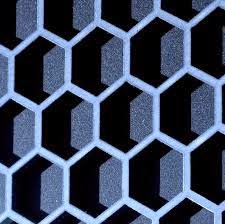
These two images feature the use of shape while incorporating other elements such as pattern. The use of repetition is used to show an overall shape. The way each shape changes in the distance can be used to show depth.


These images depict shape in multiple ways. They are represented in a way that highlight key formal elements. We can see that shape can be seen in these images that form patterns or use different colours and tones. Typical everyday objects are transformed by altering their states or alloying the image to present them in different ways that show exciting examples of shapes that would usually go overlooked. There are examples in nature and in manmade examples, the methods used tend to to try to enhance the experience that you would usually get from looking at these objects through changing your perception by viewing them from interesting angles and through different formal elements.

Thursday, 2 October 2014

Movement, image bank


Both of these images use the same technique in order to create an accurate representation of movement. A low shutter speed is used in order to capture all of the movement of the subject in one image. This is represented in both a blur and light. From the severity of the movement, we can even judge how fast the subject was moving.


These images show movement in a number of different ways. We can see that we can show movement in vehicles, liquids, nature, people and clothes. A slow shutter speed is used in some photos in order to create the effect of blurring on an object that shows where it has been and where it is going. other examples of movement are shown through poses and still images. These can represent movement even though we can't see any movement. instead, we are forced to assume that the subjects in the image are moving by the way that they are captured mid movement.